I'd Like to Teach the World to Sing: Why One Commercial Became a Cultural Movement


What Coca-Cola Understood About Society, Crowd Psychology, and Collective Identity
Some advertisements sell products.
A few sell ideas, and an even smaller number become part of culture itself.
In 1971, Coca-Cola released what would become one of the most iconic advertisements in modern history:
I'd Like to Buy the World a Coke, later immortalized through the song I'd Like to Teach the World to Sing (In Perfect Harmony).
It was not loud.
It was not aggressive.
It did not highlight ingredients, features, or superiority.
Instead, it showed something remarkably simple:
People from different countries standing together on a hilltop.
Holding bottles of Coke.
Singing in harmony.
What made the campaign extraordinary was not the creative execution alone.
It was the timing, and perhaps more importantly:
It understood something profound about crowd psychology.
The ad did not sell Coke.
It sold belonging.

The World Coca-Cola Was Speaking Into
To understand why the campaign worked, we have to understand the environment it entered.
The early 1970s were not calm.
They were deeply fragmented.
Society was navigating:
- the Vietnam War
- political distrust
- civil rights movements
- generational division
- global protest culture
- economic uncertainty
The world was emotionally exhausted.
Institutions were being questioned.
Authority was no longer automatically trusted, and younger generations were redefining what community, peace, and identity meant.
The “Age of Aquarius” spirit, rooted in peace, unity, and collective consciousness, was influencing music, fashion, and social ideals.
People were searching for a connection.
Not necessarily ideology, but emotional relief.
A sense of shared humanity.
This matters because great campaigns rarely emerge in isolation.
They emerge when brands understand what society is emotionally craving.
The Story Behind the Campaign
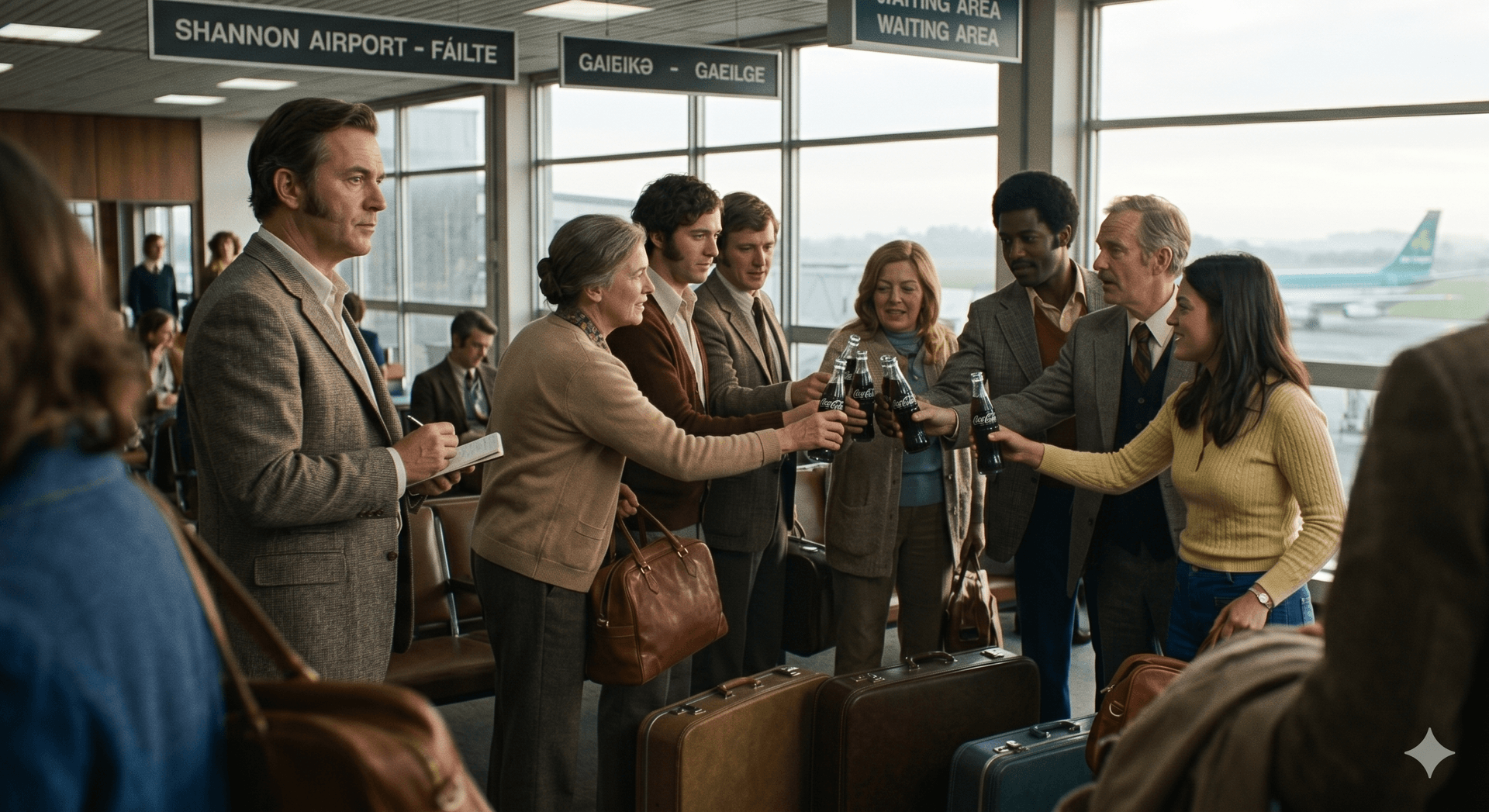
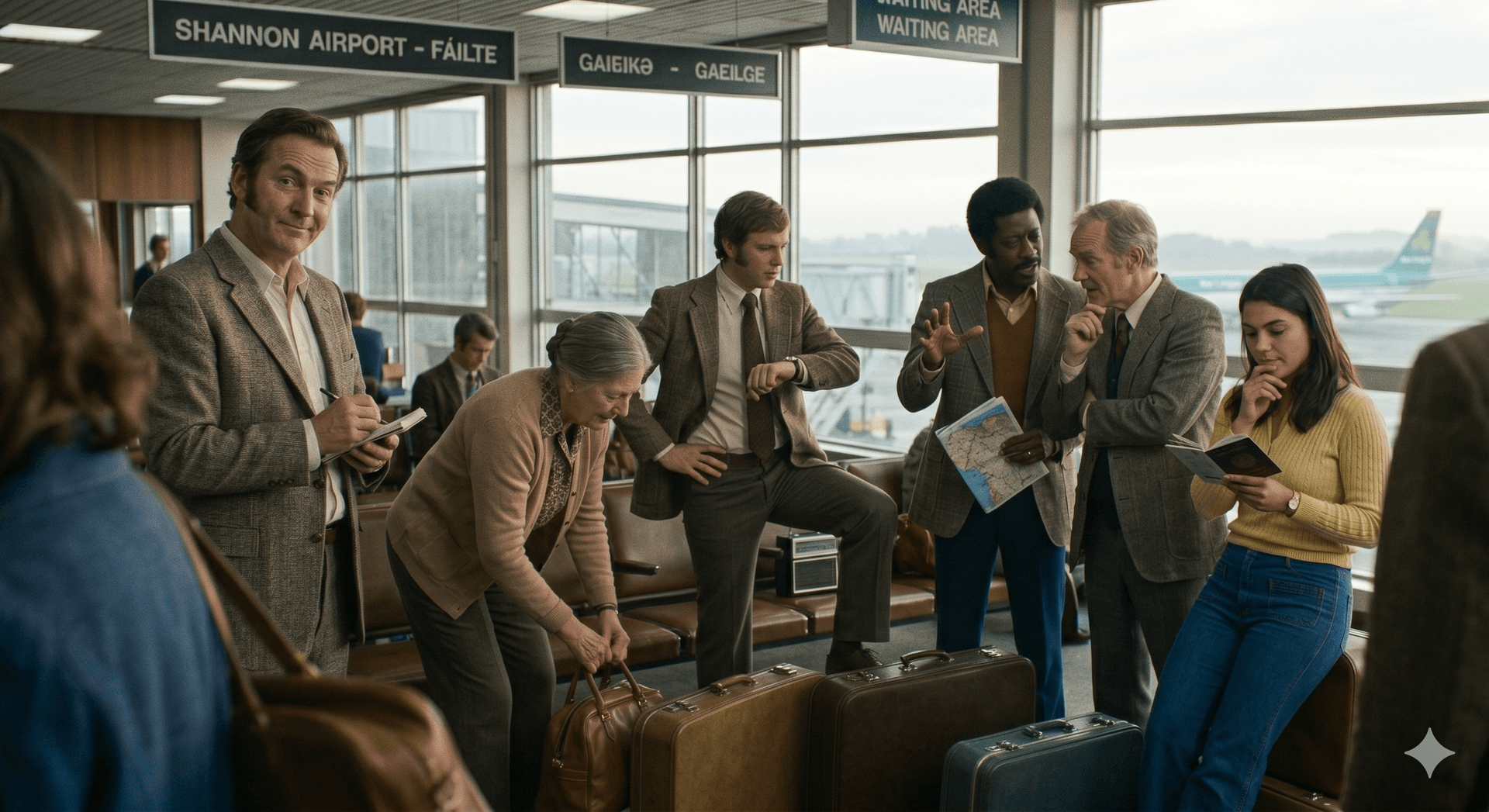
The concept originated from advertising executive Bill Backer.
During a delayed flight stop in Ireland, Backer observed frustrated travellers who eventually began sharing Coca-Cola and conversation together.
The tension dissolved.
The product became a social bridge.
Backer later described the realization:
Coca-Cola was not simply a beverage.
It was a common ritual.
A shared object.
Something familiar across geography and difference.
The campaign evolved into a global message.
Not “buy this.”
But:
Imagine if the world could come together, even briefly.
Why It Worked: Crowd Psychology in Action
The campaign's success was not accidental.
It aligned with multiple principles of crowd psychology that continue to explain why certain messages spread.
1. Identity Invitation
The ad did not divide.
It invited.
There was no enemy.
No out-group.
No opposition.
Instead, viewers were invited into a collective identity built around peace and unity.
The message said:
You belong here.
This is a critical distinction.
Many campaigns attempt to persuade.
This campaign created an identity that people wanted to join.
2. Emotional Contagion
Crowd psychology suggests that emotion spreads faster than logic.
The ad created a shared emotional atmosphere:
- calmness
- optimism
- harmony
- inclusion
Music amplified this effect.
Research consistently shows that synchronized sound and rhythm increase collective emotional alignment.
The song became contagious.
People remembered it.
Sang it.
Shared it.
The crowd carried the message forward.
3. Symbolic Simplicity
Coke did not overcomplicate the message.
A hilltop.
A song.
A bottle.
The simplicity made it universally accessible.
Crowd psychology works best when symbols are easy to decode.
The bottle became less of a product and more of a signal.
A symbol of connection.
4. Collective Participation
The ad did not position Coke as the hero.
The people were the heroes.
The crowd mattered more than the product.
This is one of the strongest insights modern brands still struggle to understand:
Movements happen when the audience sees itself reflected in the story.

Why It Still Matters Today
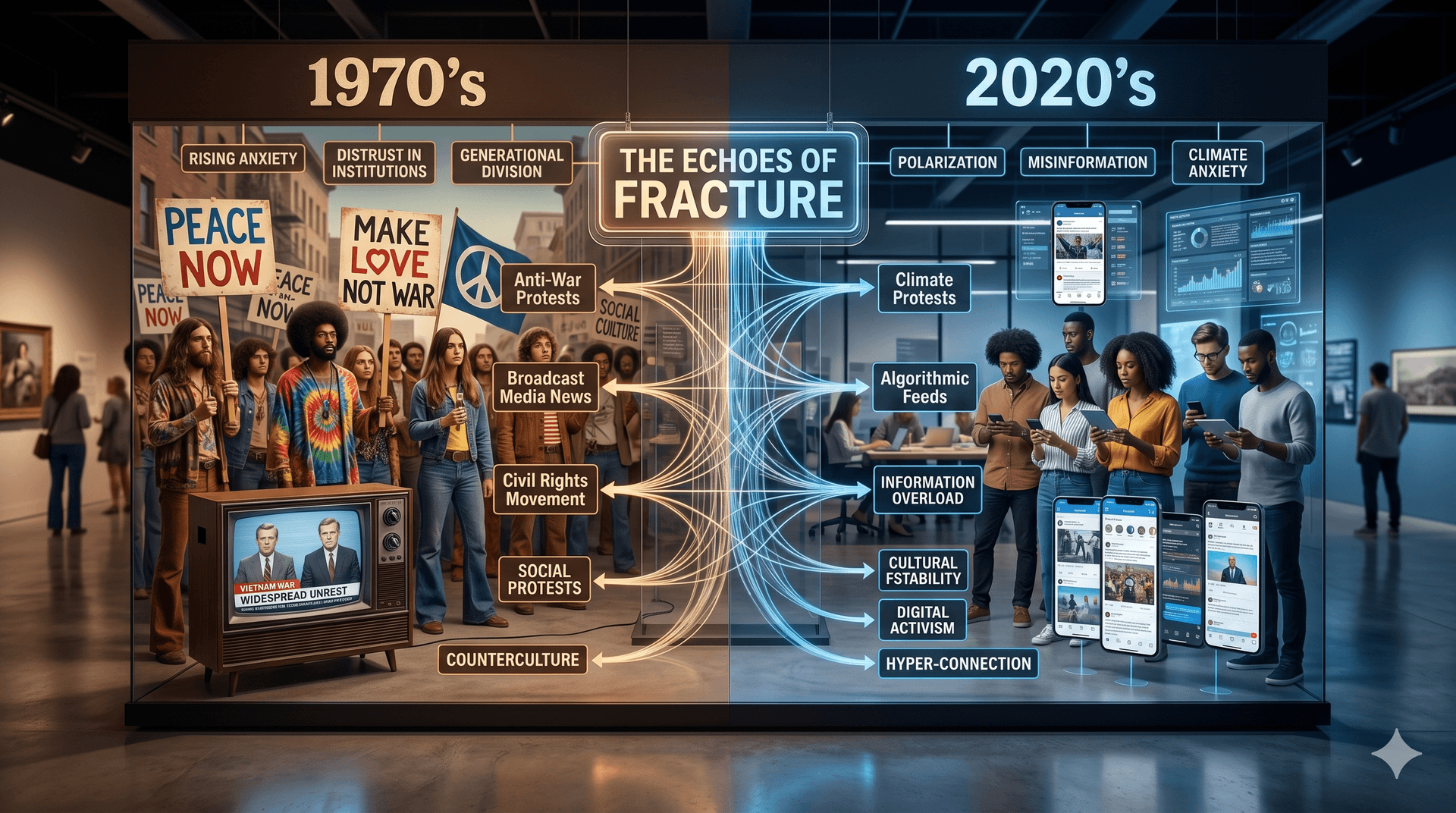
The world today shares similarities with the environment Coca-Cola entered in 1971.
We are again experiencing:
- polarization
- distrust
- information overload
- fragmented identity groups
- rising anxiety
- digital isolation despite hyper-connection
People are connected technologically, but often disconnected emotionally.
This creates an important question for modern brands:
Can marketing still create shared meaning?
The answer is yes, but the approach has changed.
The Difference Between Then and Now
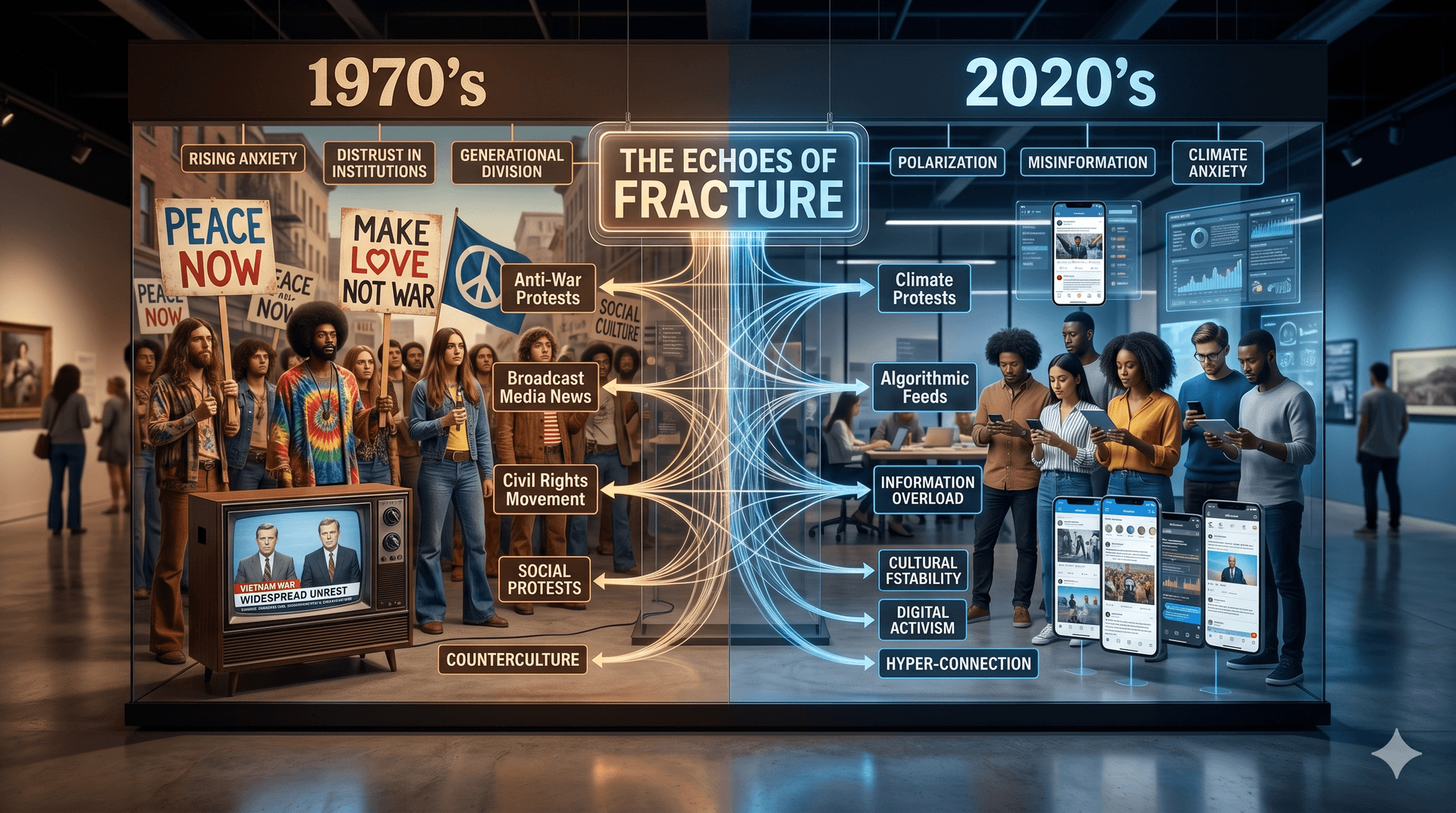
In 1971, a brand could broadcast a unifying message to mass audiences.
Today, audiences are fragmented across platforms, identities, and algorithms.
Meaning spreads through communities.
Not through channels alone.
The challenge is no longer simply creating a message.
It is creating a message that can move through multiple identity systems without losing authenticity.
This is where crowd psychology becomes critical.
Because people do not adopt messages equally.
They adopt what feels aligned with who they are.
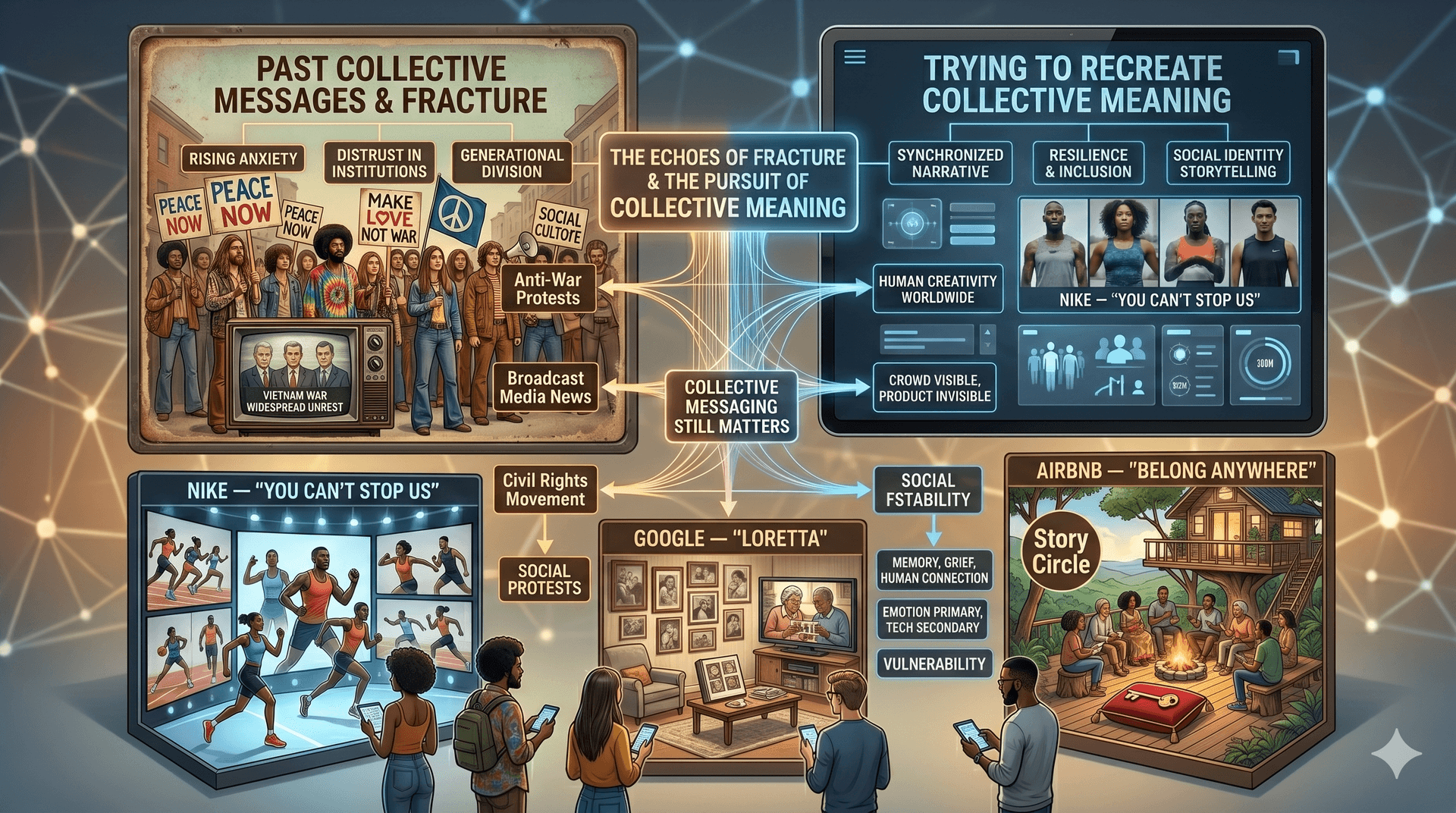
Modern Campaigns Trying to Recreate Collective Meaning
Several modern campaigns attempt to recapture the emotional universality of the Coke hilltop commercial.
Some succeed.
Some struggle, but each reveals how collective messaging continues to matter.
Apple — “Shot on iPhone”
Apple shifted focus away from the device itself.
Instead, it showcased human creativity from around the world.
The product became invisible.
The crowd became visible.
This mirrors the Coke philosophy:
The brand becomes a platform for collective identity.
Nike — “You Can’t Stop Us”
Released during social unrest and pandemic disruption, Nike stitched together athletes from different backgrounds into a synchronized narrative.
The campaign reflected resilience, inclusion, and shared struggle.
It was not simply sport.
It was social identity storytelling.
Google — “Loretta”
Google’s Super Bowl ad centred around memory, grief, and human connection.
Technology became secondary.
Emotion became primary.
This reflected a broader shift:
People increasingly connect with vulnerability rather than perfection.
Airbnb — “Belong Anywhere”
Airbnb built its positioning around belonging rather than accommodation.
The message was not transactional.
It was social.
A direct reflection of identity-based marketing.
What Leaders and Brands Can Learn
The Coke campaign offers a timeless lesson:
People rarely unite around products.
They unite around meaning.
For leaders, this means asking different questions.
Not:
What are we selling?
But:
What emotional need are we helping people express together?
Modern crowd psychology suggests five principles brands should remember:
1. Build Identity, Not Just Messaging
People adopt what reinforces who they believe they are.
2. Design for Emotional Resonance
Logic informs.
Emotion moves.
3. Let the Crowd Be Visible
People trust messages that reflect real participation.
4. Create Shared Symbols
Simple visual cues travel further than complexity.
5. Align with Cultural Timing
The strongest campaigns are not merely creative.
They are culturally aware.

The CoCr8 Perspective: The Crowd as the Final Layer
The Coca-Cola campaign reinforces an important aspect of the CoCr8 framework.
Truth Engine:
Understanding what society was emotionally experiencing.
Futures Engine:
Recognizing where culture was moving.
Design Engine:
Creating a simple, memorable expression.
Adoption Engine:
Allowing the crowd to carry the message.
This is why the campaign endured.
It did not interrupt culture.
It reflected culture back to itself.

Why We Still Remember It
Most advertisements disappear.
This one remained.
Not because it was louder, but because it felt human.
It understood something timeless:
People want to feel part of something larger than themselves.
The hilltop was never about Coca-Cola.
It was about possibility.
About the idea that even during division, people still long for harmony, and perhaps that is why the campaign still resonates.
Not because it solved anything, but because it briefly reminded us what shared identity can look like.
The strongest messages do not demand attention.
They create connection, and connection is what crowds remember.